

Sub-framing | Seoul Photographer
Sub-framing | Seoul Photographer
Frame Within a Frame: Seoul Through Layered Perspectives
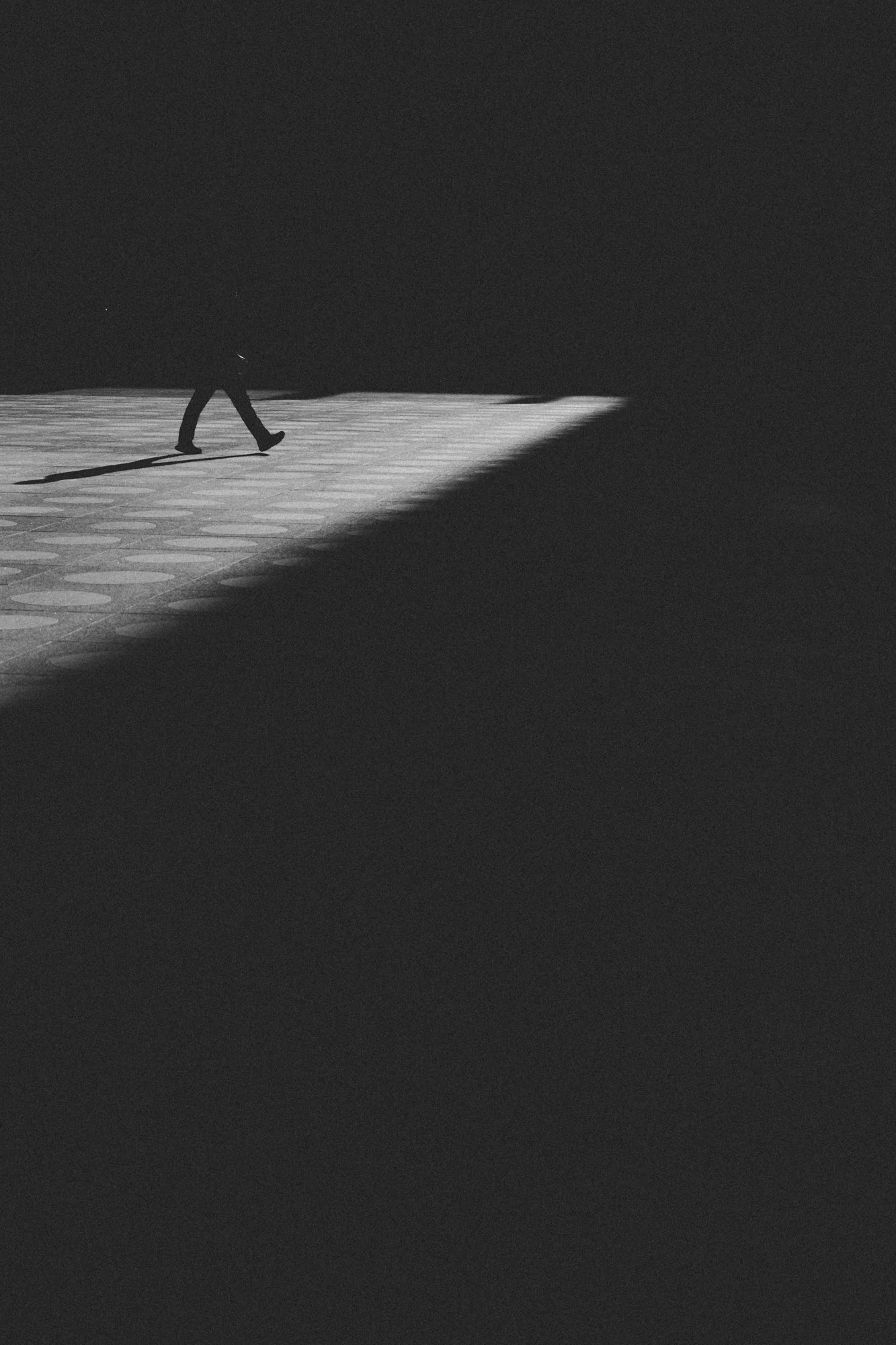
Sub-framing—placing your subject within a natural frame inside your photograph—adds depth, context, and cinematic intrigue to street photography. By shooting through windows, doorways, architectural gaps, or foliage, you create layers that guide the eye while suggesting stories beyond the frame's edges. This technique doesn't just isolate subjects; it contextualizes them within their environment, building the visual narrative that makes cinema so compelling. It makes the photograph feel more organic, in my opinion.
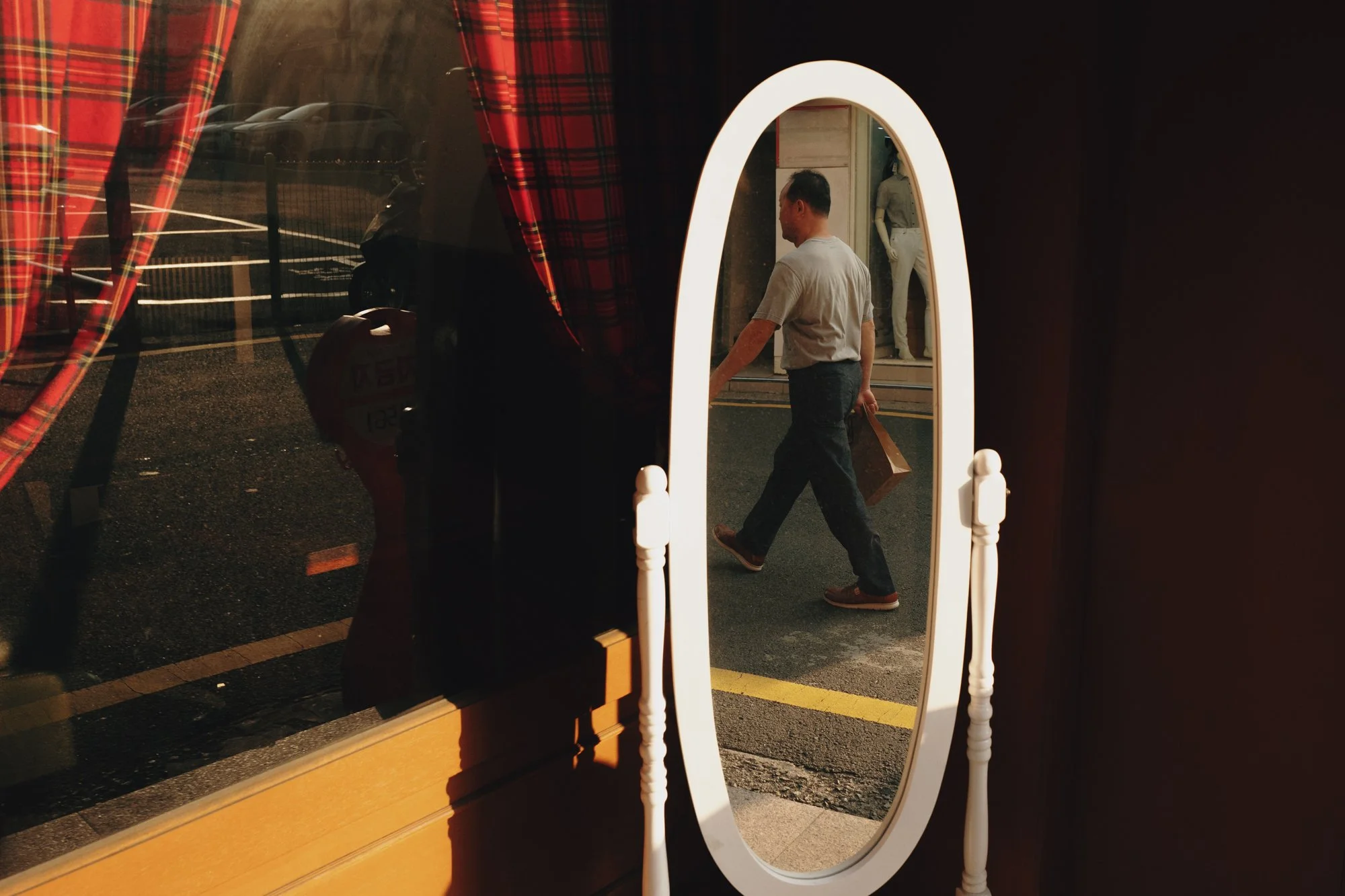

The Saul Leiter Approach
Saul Leiter mastered sub-framing through abstraction and atmosphere. He shot through rain-streaked taxi windows, steamed café glass, and reflective storefronts—transforming New York into a painterly dreamscape. His frames weren't clean or obvious; they were obscured, layered, fragmentary. This imperfection created mystery and emotion, forcing viewers to lean into the image and decode its mood. For dramatic street photography, this approach turns documentation into feeling. The hunt for this is also incredible.
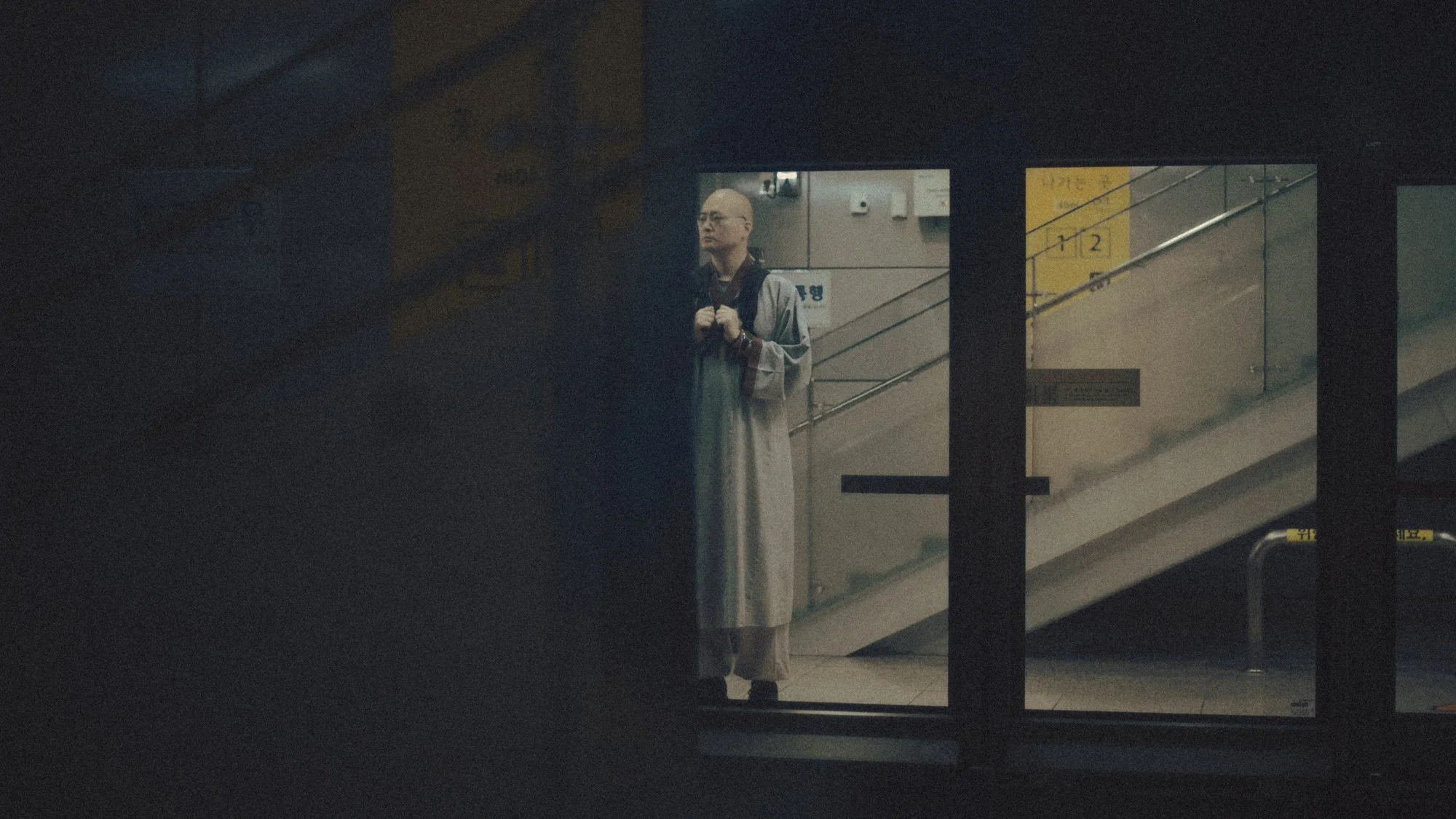
Seoul's Natural Frames
Seoul offers endless framing opportunities that mirror Leiter's aesthetic. The city's density creates constant visual layers—glass, metal, fabric, and shadow all competing for space. Look for:
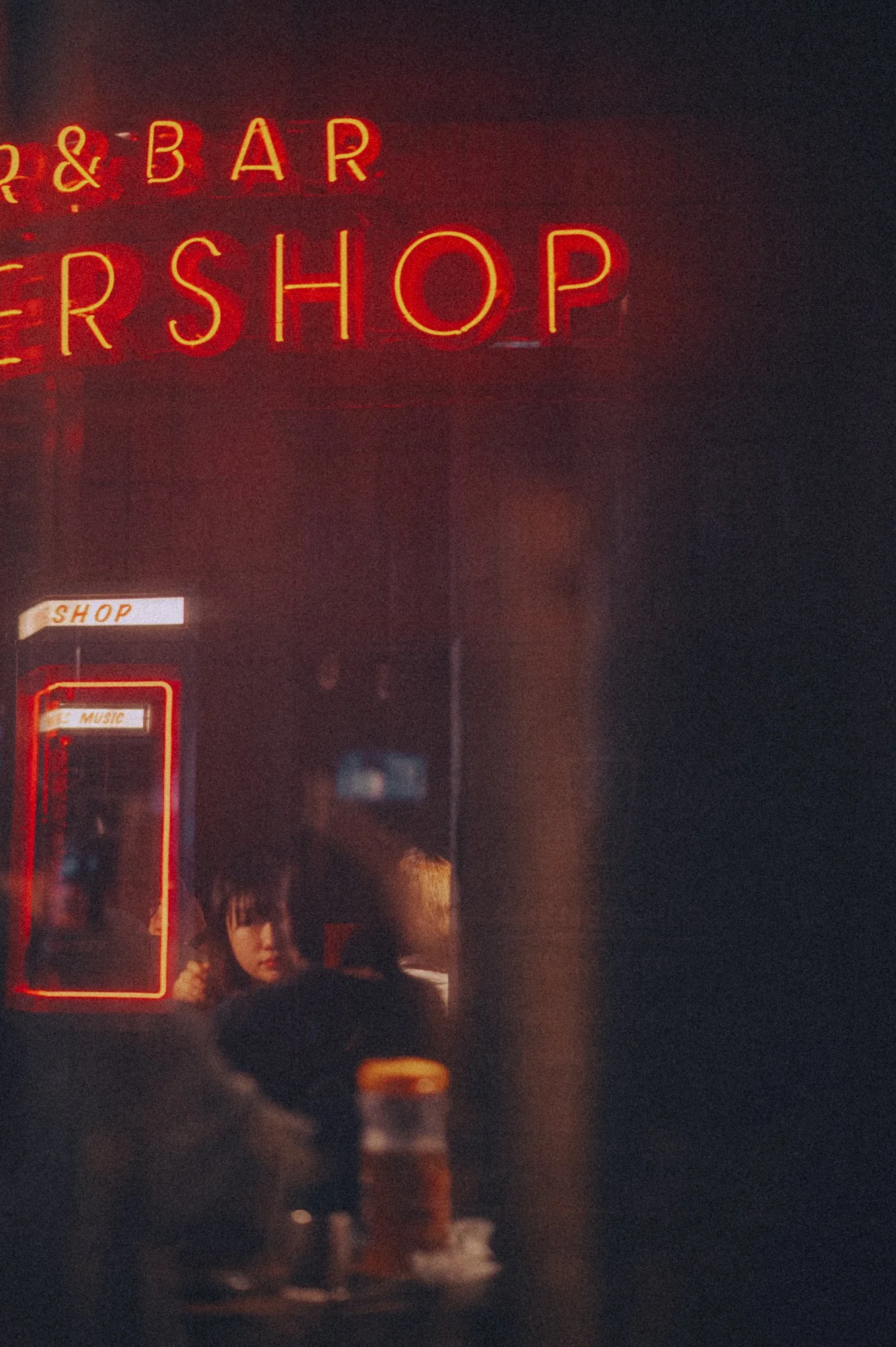
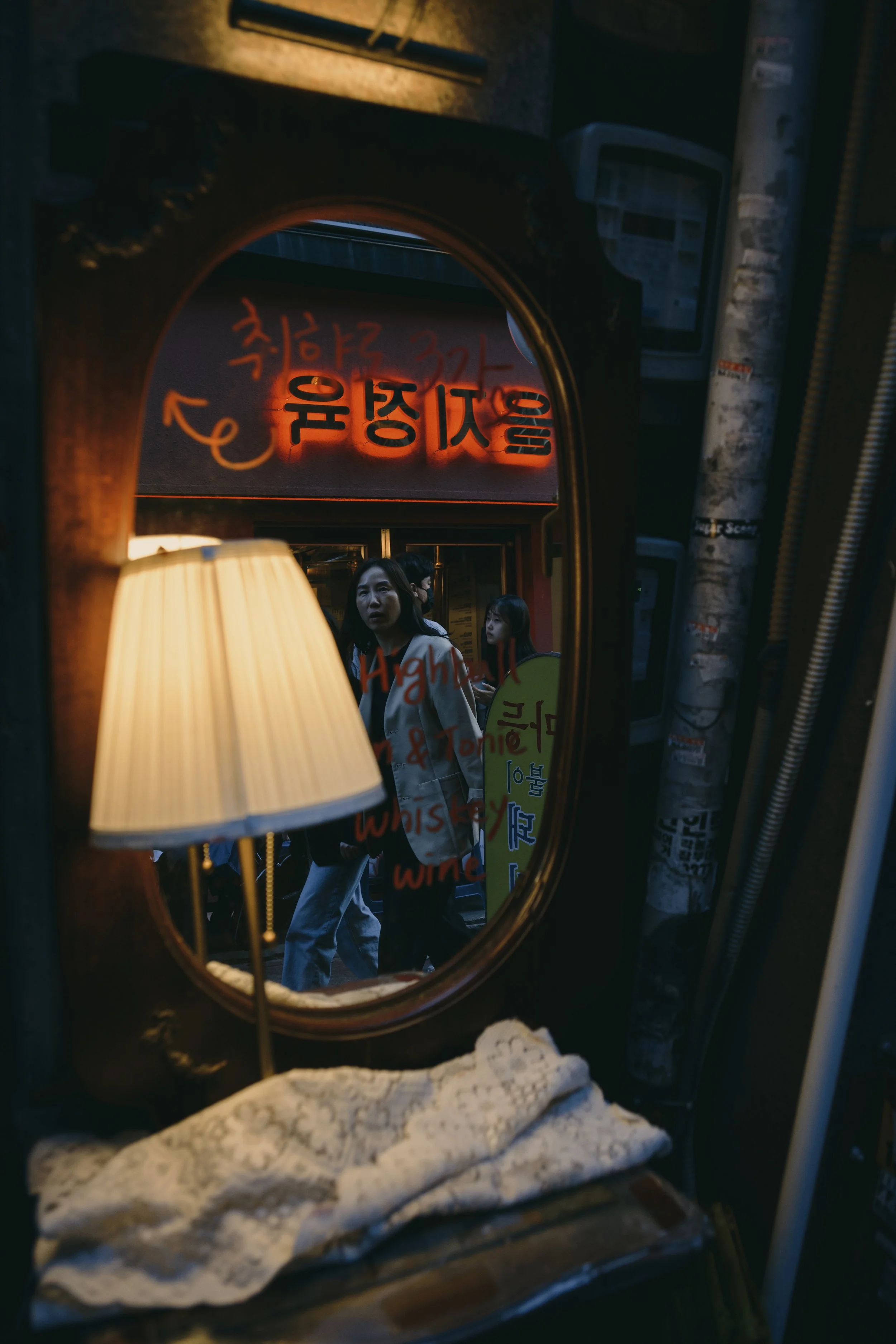
Reflective surfaces: Coffee shop windows reflecting street scenes behind you while framing customers inside; subway car windows layering tunnels, passengers, and platform lights
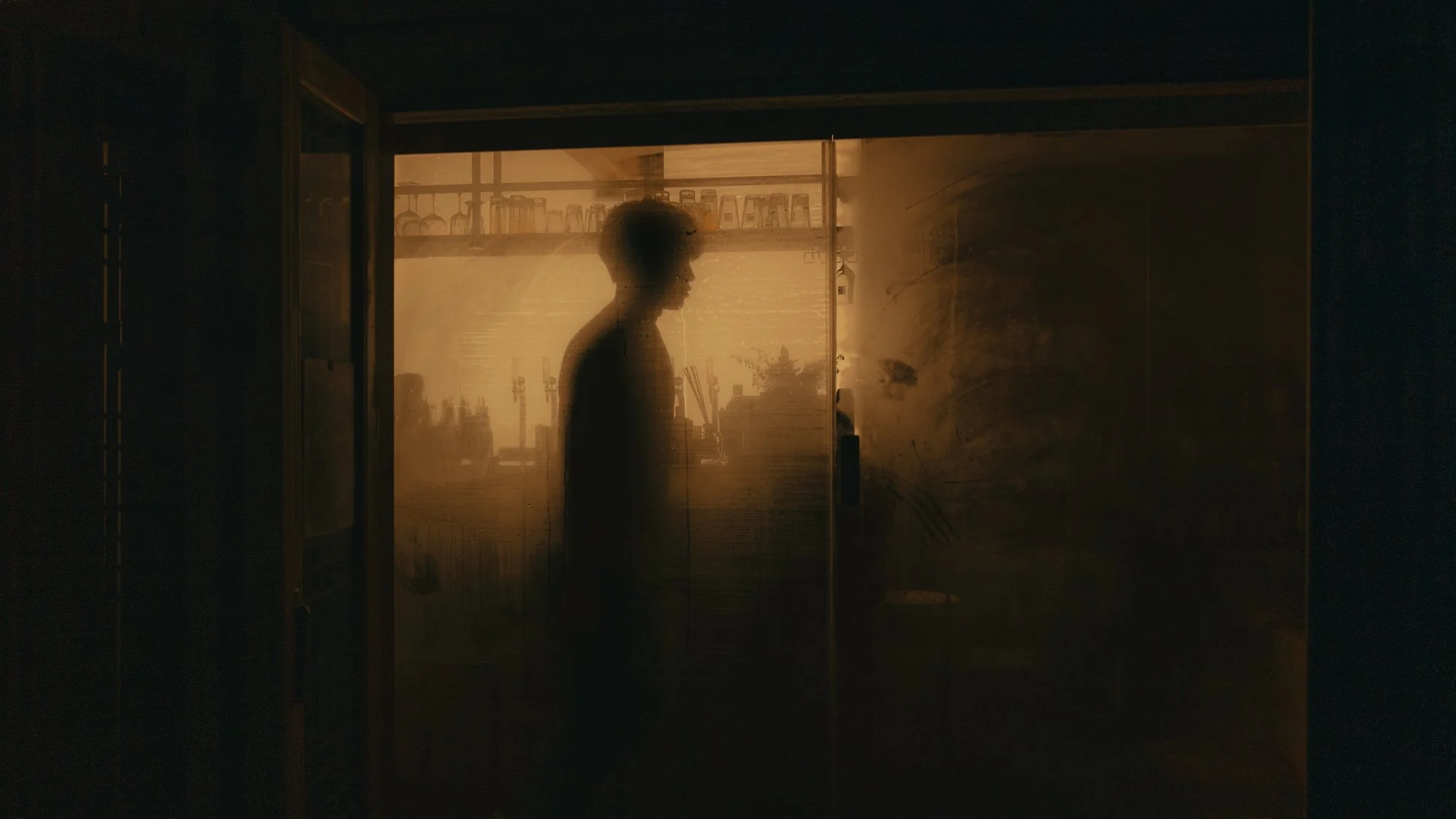
Architectural thresholds: Traditional hanok doorways framing modern towers; underground shopping arcade entrances creating geometric portals; pojangmacha (street tent) openings revealing silhouettes within
Urban debris: Rain on taxi windows distorting neon; condensation on convenience store glass softening harsh fluorescents; hanging laundry or market canopies creating organic edges
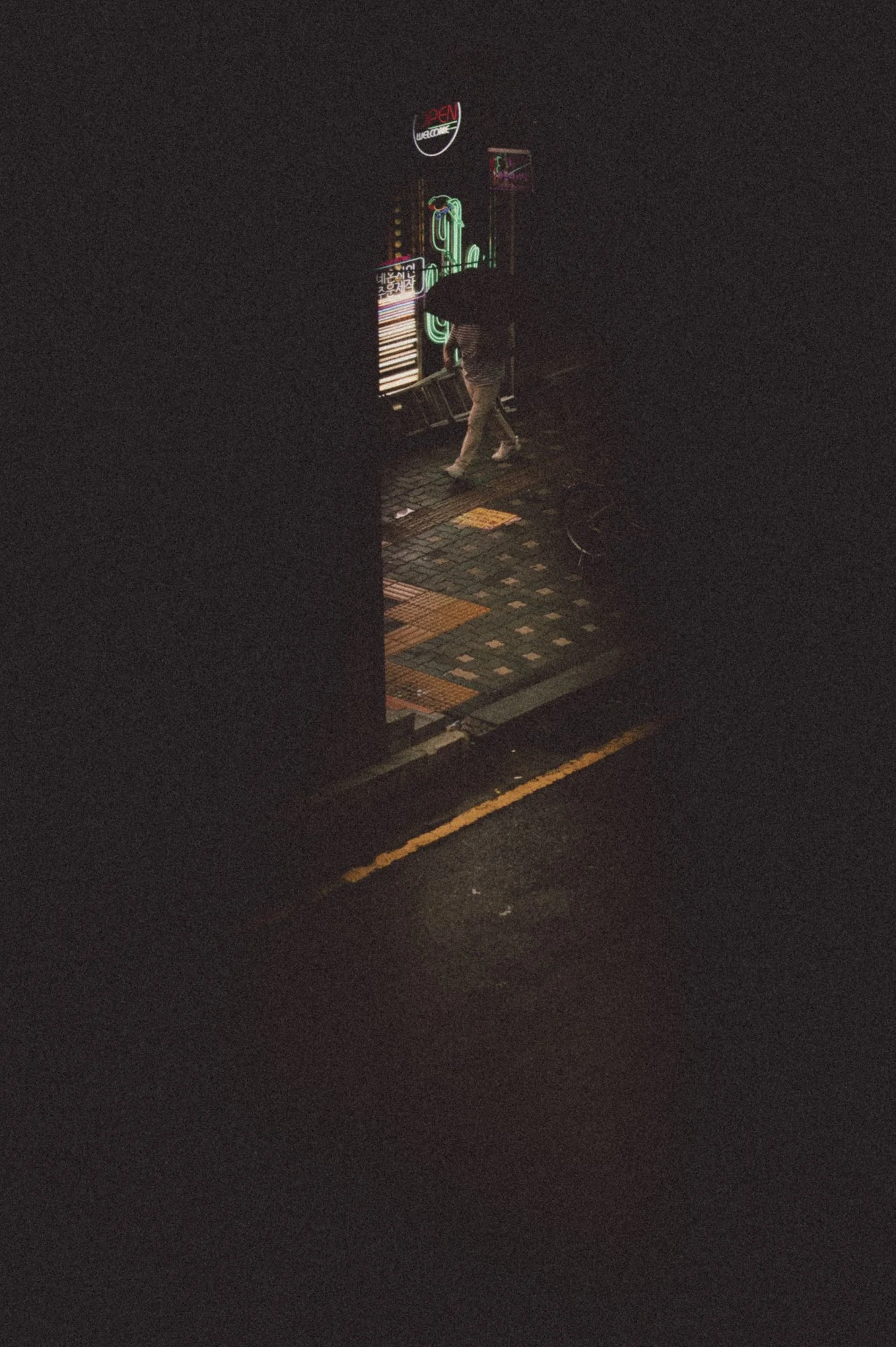
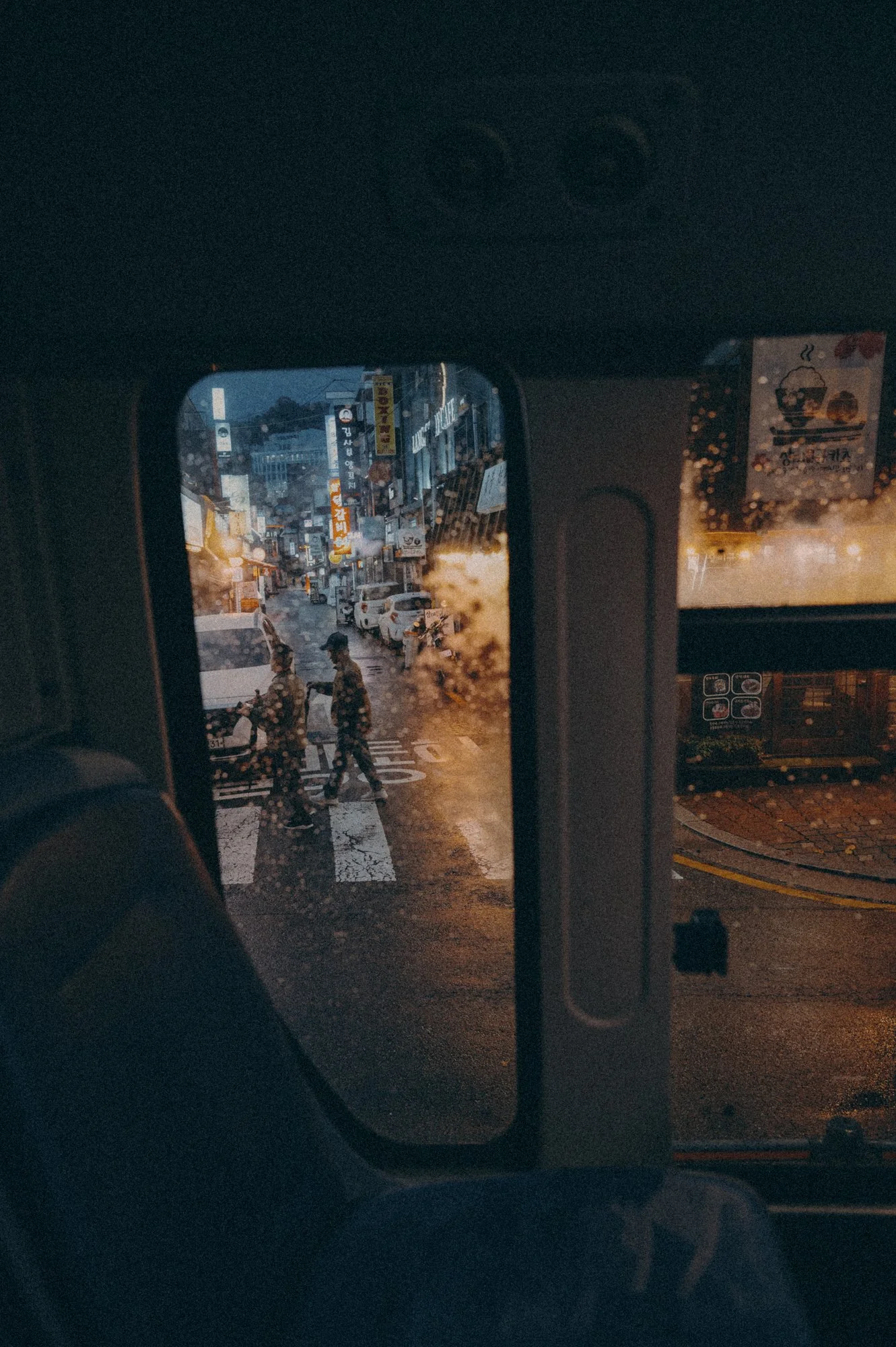
Wandering With A Layered Vision In Mind
Train yourself to see through, not just at. Throughout various neighborhoods, position yourself where multiple planes intersect. Stand outside looking in, inside looking out. Shoot through partially opened doors, between parked cars, or from behind street furniture. The frame doesn't need to be complete—partial obstructions often enhance cinematic mystery. Weather amplifies subframing. During Seoul's rainy seasons, reflections and condensation transform every glass surface into a soft-focus frame. Fog in autumn mornings creates natural vignettes around street vendors. Even oppressive summer heat produces window condensation that mimics Leiter's signature blur.
Creating Cinematic Depth
The power of sub-framing lies in its dimensional quality. You're not capturing a flat scene—you're building foreground, middle ground, and background simultaneously.
Embrace imperfection. Shoot through dirty windows, scratched plastic barriers, or steamed glass. These "flaws" aren't mistakes—they're texture, mood, atmosphere. They separate your work from clinical documentation and push it toward emotional resonance. Leiter understood that obscurity often reveals more than clarity.
M